
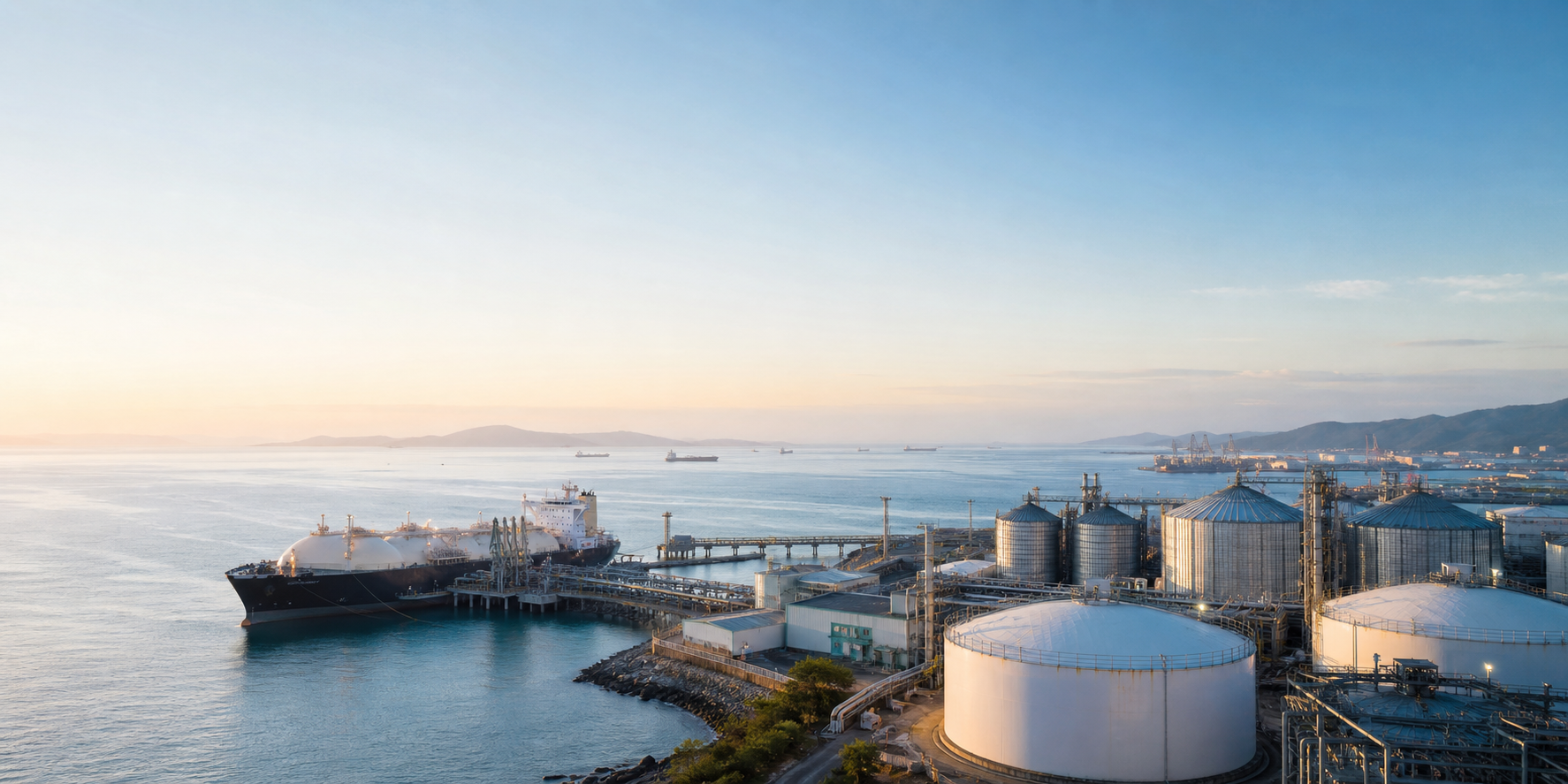
Liquefied natural gas is one of the most infrastructure-intensive segments of global energy trade. LNG starts with natural gas production and processing, moves through liquefaction facilities, is transported by specialized vessels, and is delivered to receiving terminals where it can be regasified for pipeline distribution or downstream use. Each stage introduces commercial, operational, documentation, and compliance considerations.
Because the chain is highly coordinated, LNG opportunities require more than a basic buyer or product inquiry. Market participants must understand cargo size, specification, delivery window, vessel scheduling, terminal compatibility, destination requirements, credit posture, and the documentation needed to support review. HarborGate Energy LLC evaluates LNG-related opportunities through market intelligence, sourcing coordination, transaction review, due diligence, and compliance-aware commercial development.
Demand drivers in LNG markets
Global LNG demand is influenced by power generation, industrial consumption, weather, storage levels, pipeline gas competition, energy security policy, and regional economic growth. Demand may increase when countries seek flexible gas supply for power systems, when domestic production is insufficient, or when regional disruptions alter trade flows. Demand may soften when prices, weather patterns, alternative fuels, or storage conditions reduce near-term consumption.
These drivers do not operate in isolation. A cargo that appears commercially attractive in one region may face timing, terminal, shipping, or regulatory constraints in another. Market intelligence therefore needs to connect macro-level demand with the practical realities of cargo movement and documentation.
Supply chain review
LNG supply chain review often considers liquefaction source, cargo specification, vessel schedule, loading and discharge windows, boil-off management, destination flexibility, regasification access, and delivery terms. The logistics path must be realistic, and the commercial parties involved must have a coherent role in the proposed transaction. If the market role or documents are unclear, further review is required before the opportunity can be treated as commercially meaningful.
HarborGate does not present website content as pricing guidance, product access, or transaction advice. Instead, LNG content is educational and designed to explain how serious market participants think about review. The company focuses on whether an inquiry has enough structure to support professional discussion.
Documentation and compliance
LNG documentation may include company information, cargo details, quality references, delivery assumptions, inspection requirements, credit information, and compliance documentation appropriate to the jurisdictions involved. Sanctions, trade restrictions, vessel screening, counterparty identity, and destination-market rules can all affect whether a transaction can proceed.
Commercial review also considers whether the documentation reflects the physical path of the cargo. A document set should be consistent with the proposed origin, delivery structure, timing, and participant roles. When those elements do not align, the issue is not merely administrative; it may affect the reliability of the entire commercial discussion.
Compliance review is not separate from commercial review. It is part of determining whether a proposed opportunity is credible, feasible, and suitable for further analysis. HarborGate emphasizes disciplined communication, careful review, and long-term market participation rather than unsupported claims.
How LNG inquiries should be framed
A qualified LNG inquiry should identify the market role, product or cargo context, approximate volume, origin and destination assumptions, timing, documentation status, and logistics information. It should also clarify whether the inquiry relates to spot review, longer-term commercial development, or broader market intelligence.
Inquiry quality matters because LNG is tied to infrastructure timing. A commercially relevant discussion should show awareness of vessel scheduling, loading and discharge windows, terminal requirements, and destination-market rules. Without that context, even a serious commercial interest may require substantial development before it can be reviewed in a disciplined way.
For HarborGate Energy, a clear inquiry allows better evaluation of commercial relevance and operational feasibility. When the facts are incomplete, the next step is additional due diligence, not assumptions.